
Handmade or Machine-Made? The Truth About Tiffany Lamps in Australian Homes
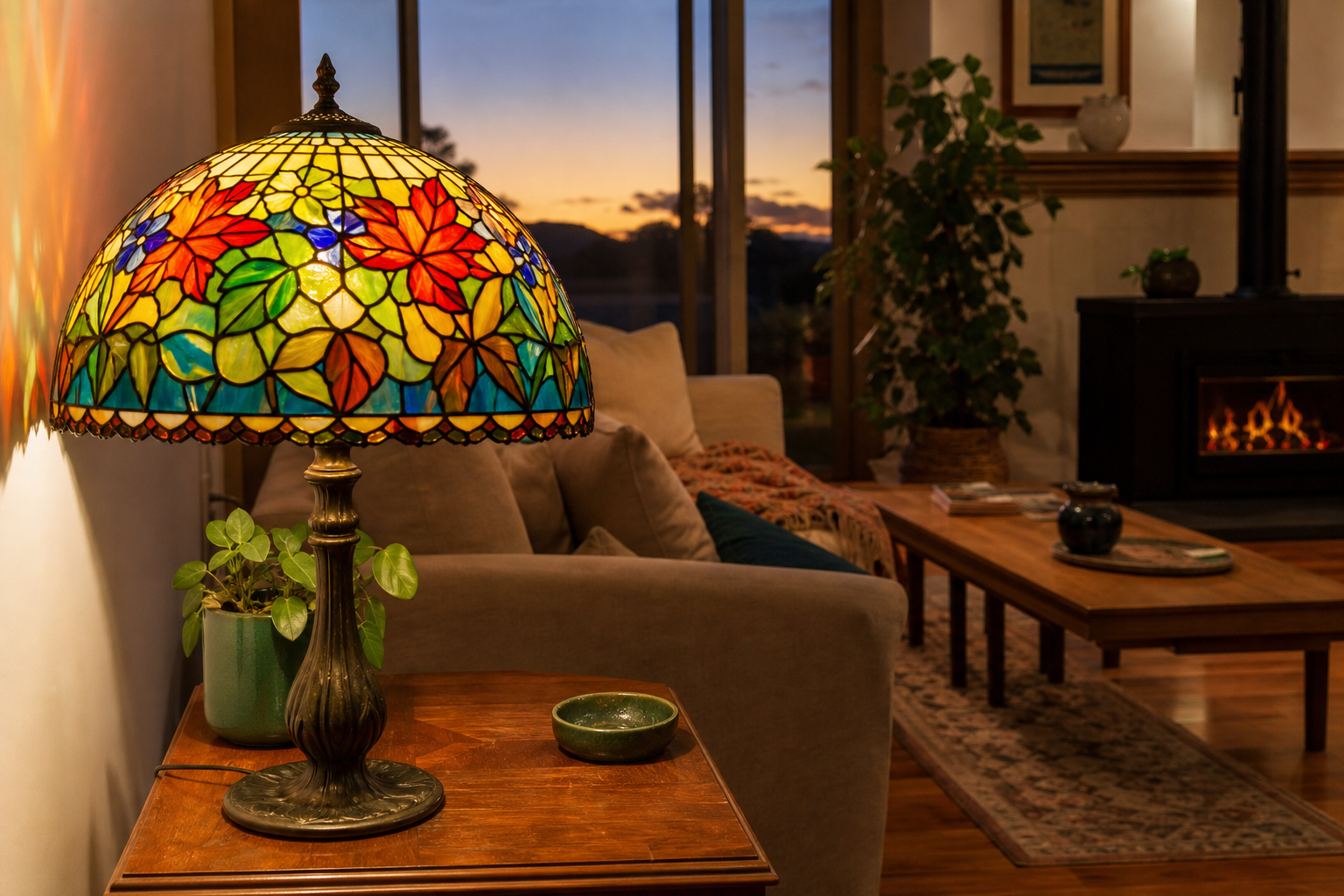
Ask any Australian who’s switched on a Tiffany lamp at dusk, and they’ll tell you: there’s nothing quite like the way coloured glass scatters light across a room. But when you’re shopping for one, it’s easy to wonder—are Tiffany lamps handmade, or is that just clever marketing? Let’s clear up the confusion and help you spot true artisan lamps for your home.
Are Tiffany Lamps Still Handmade?
It’s a fair question. The original Tiffany lamps from the late 1800s were painstakingly hand-assembled, but today’s market is flooded with everything from genuine handmade stained glass lamps to mass-produced copies. In Australia, you’ll find both—so the difference comes down to materials, technique, and that unmistakable human touch.
What Goes Into Making a Handmade Stained Glass Lamp?
True Tiffany-style lamps are still crafted using old-school methods. Each piece of glass is selected for its colour and texture, then cut and shaped by hand. After being wrapped in copper foil, the pieces are soldered together—no shortcuts, no plastic. This technique, known as the copper foil method, creates those soft, glowing mosaics you see in quality lamps. The process is slow, but it’s what gives every artisan lamp its individuality. No two shades are identical, and you’ll often spot small quirks that prove a real person put it together.
How to Spot Real Tiffany Craftsmanship
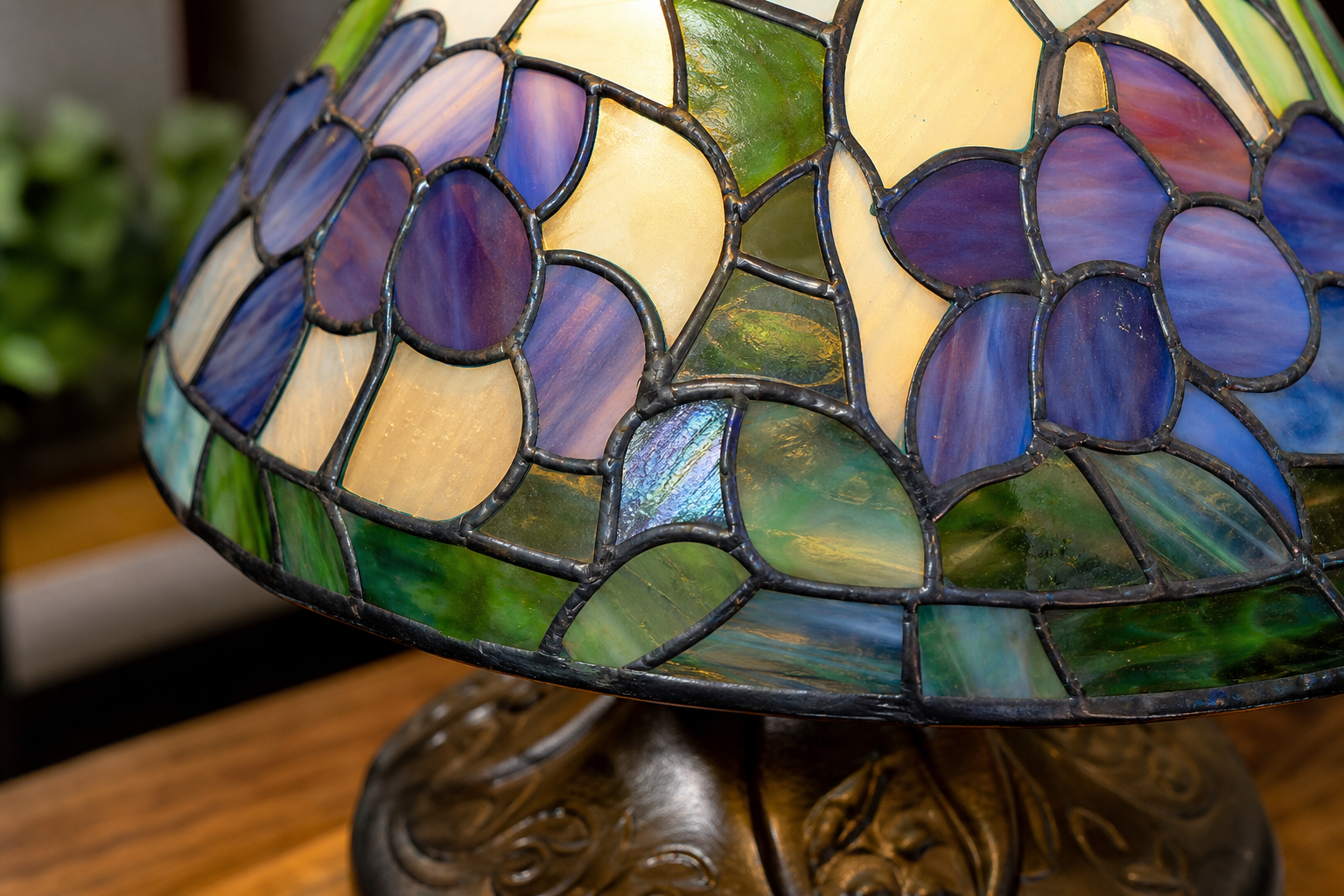
Spotting genuine tiffany craftsmanship is easier than you might think. Here’s what to look for in a shop or online:
- Glass, not plastic: Run your hand over the shade—real stained glass feels cool and has a slight texture, never smooth or thin.
- Solder lines: Handmade lamps have visible soldering, often a little uneven. Machine-made versions tend to look too perfect.
- Weight: A solid base and a heavier shade usually mean better materials and real glass.
- Subtle differences: Look for small irregularities in colour placement or pattern—mass production can’t replicate these.
If you’re browsing online, don’t be shy about asking for extra photos or details. Reputable Australian retailers will be happy to show you the craftsmanship up close. For examples, check out our Tiffany Lights collection and zoom in on the glasswork.
Handmade vs Mass-Produced Lamps: What Matters?
With so many options, it’s tempting to go for the cheapest stained glass lamp you can find. But here’s the thing: mass-produced lamps usually use painted or plastic panels, which don’t give off that signature warm, layered glow. Handmade lamps, by contrast, come alive at night—especially in Australian homes with timber floors, open-plan living, or those classic federation features. The difference is most obvious when you see both side by side: one feels a bit flat, the other has real depth and character.
Where Artisan Lamps Work Best in Aussie Homes
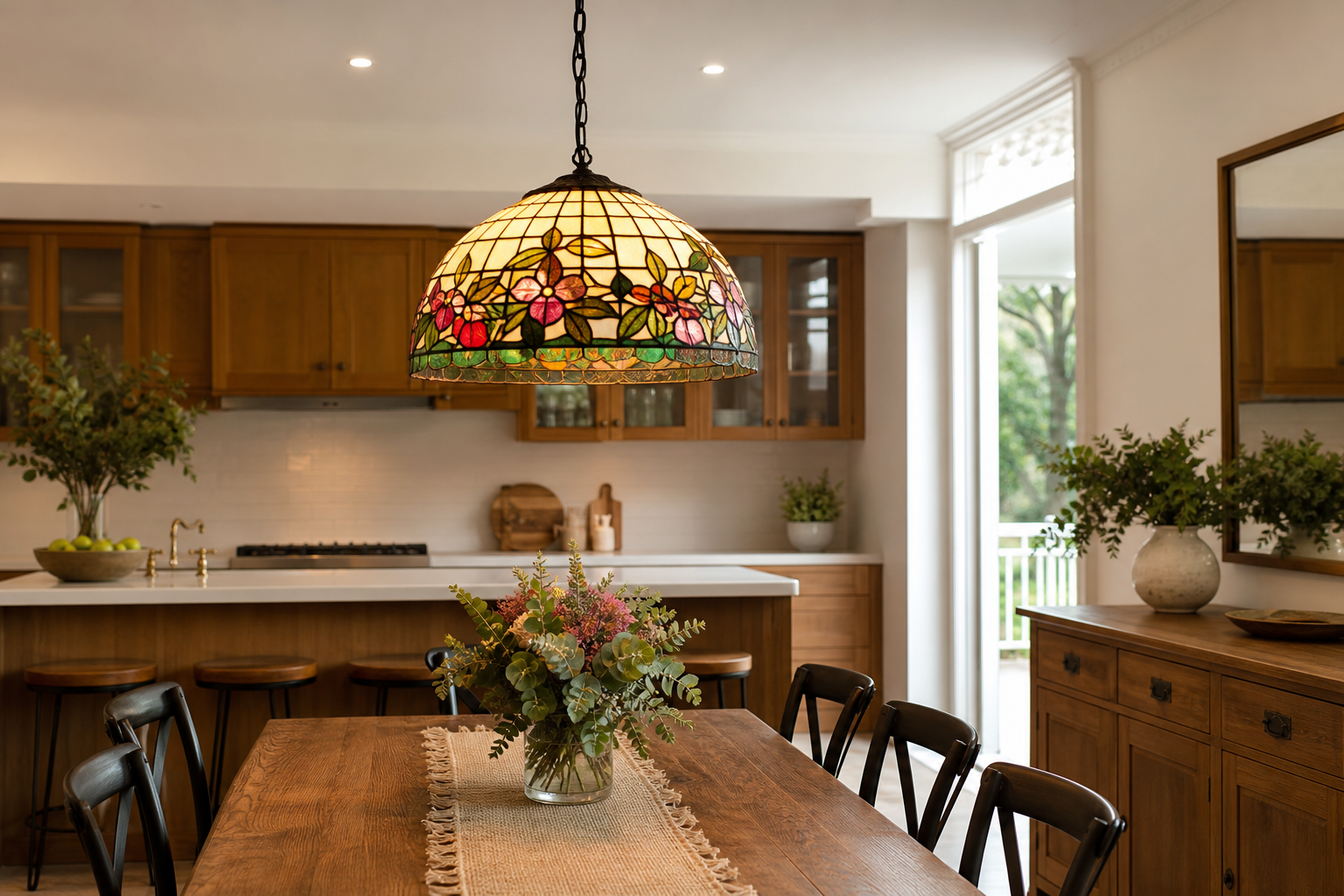
Handmade stained glass lamps aren’t just for old Queenslanders (though they do look right at home there). We’ve seen them lift the mood in modern city apartments, bring colour to a timber kitchen, or add a welcoming touch to a sunlit veranda. Even a rental flat with neutral walls can benefit from the splash of colour and warmth a small Tiffany lamp brings. Try a pair on bedside tables, a statement pendant over the dining table, or a classic banker lamp in your study—the options suit all sorts of Aussie living.
For more inspiration on how to style these lamps in different rooms, you might enjoy our guide on how Aussies make colourful stained glass lamps feel effortless at home.
Buying Tips for Stained Glass Lighting
If you’re after a lamp that’s genuinely handmade, stick with specialist Australian stores that can explain how their lamps are made. Check the product description for details about glass, soldering, and weight. If in doubt, ask questions—good retailers expect it. And when your lamp arrives, take a moment to enjoy the way it lights up your space. The glow is softer, the colours richer, and the effect is always more than the sum of its parts.
Want to see what real artisan lamps look like? Take a look at our handmade stained glass lighting collection and find inspiration for your next home update. You can also explore more ideas for brightening up Australian living rooms with Tiffany lighting.
Frequently Asked Questions
Are all Tiffany lamps handmade or are some machine-made?
Not all are handmade—many are mass-produced with plastic or painted glass. For a genuine piece, check for real stained glass and visible soldering.
How can I tell if a Tiffany lamp is truly handcrafted?
Look for cool, textured glass, slightly uneven solder lines, and a bit of weight. Small quirks in the pattern are a good sign of hand assembly.
What makes Tiffany craftsmanship unique?
The process—each lamp is assembled by hand, with careful glass selection and copper foil soldering, creating a piece with warmth and character.
Where do handmade stained glass lamps suit best in Australian homes?
They work beautifully in living rooms, bedrooms, home offices, and even on verandas—anywhere you want a bit of colour and softness.
Are artisan lamps more durable than cheaper versions?
Generally, yes. Handmade lamps use better materials and construction, so with care, they’ll last for years in your home.
How do artisan Tiffany lamps differ in price and quality?
Handmade lamps cost more due to time and materials, but the difference in glow, detail, and durability is well worth it for many Australians.
Can I buy handmade Tiffany lamps online in Australia?
Absolutely. Specialist Australian retailers offer a range of genuine handmade lamps with detailed photos and advice to help you choose.